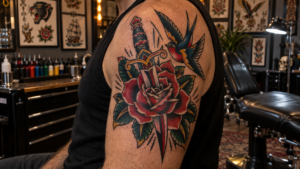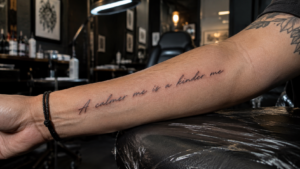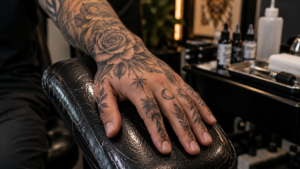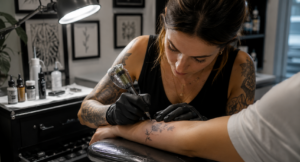

Proper tattoo aftercare is essential to ensure your new ink heals well, retains its vibrancy, and avoids infection. Whether you have a small microrealism piece or a full sleeve, following professional aftercare instructions can make all the difference. At Painless Ric’s Tattoo Studio, we provide detailed guidance for every client to help tattoos heal safely …
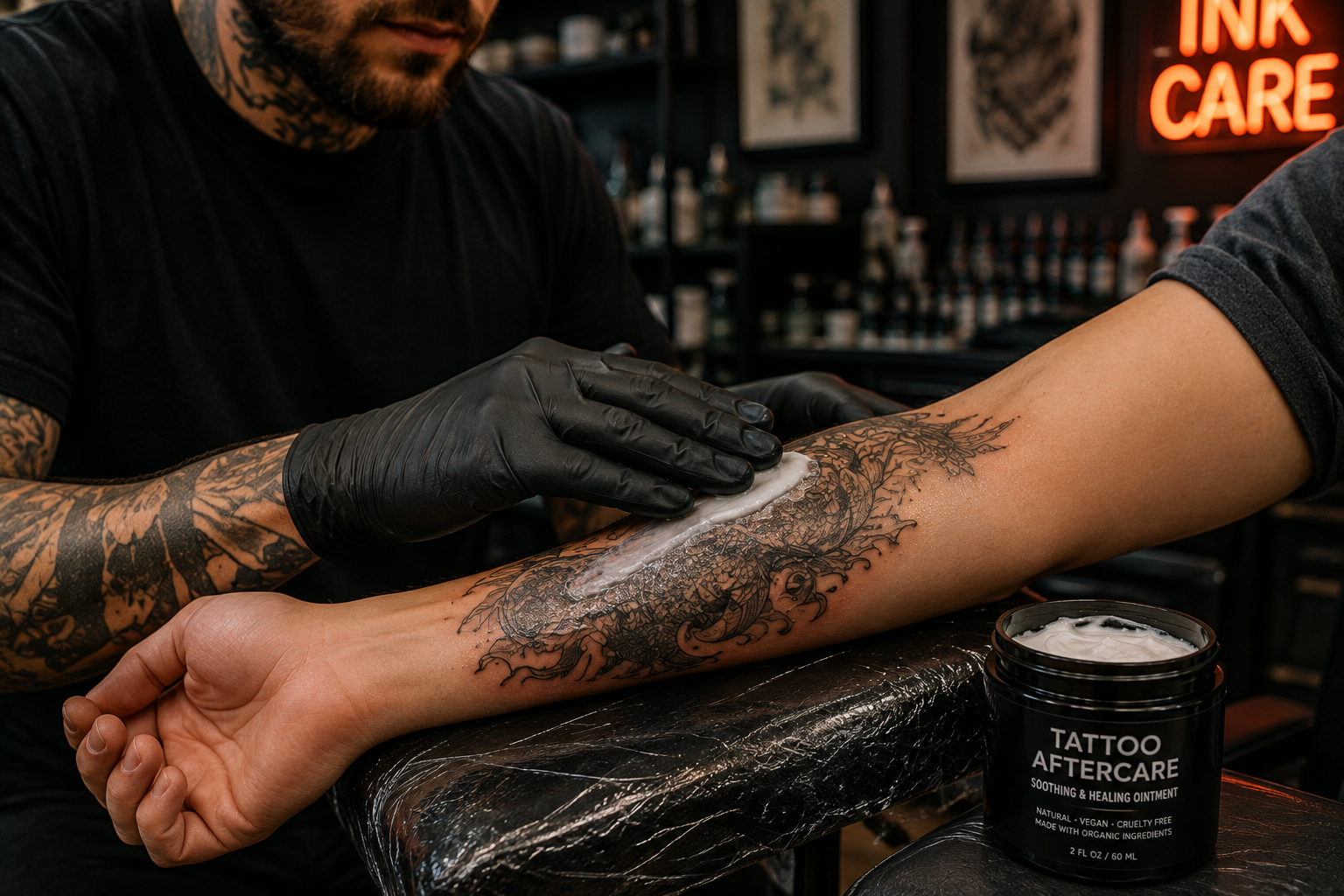
Proper tattoo aftercare is essential to ensure your new ink heals well, retains its vibrancy, and avoids infection. Whether you have a small microrealism piece or a full sleeve, following professional aftercare instructions can make all the difference. At Painless Ric’s Tattoo Studio, we provide detailed guidance for every client to help tattoos heal safely and beautifully.
Step 1: Cleaning Your Tattoo
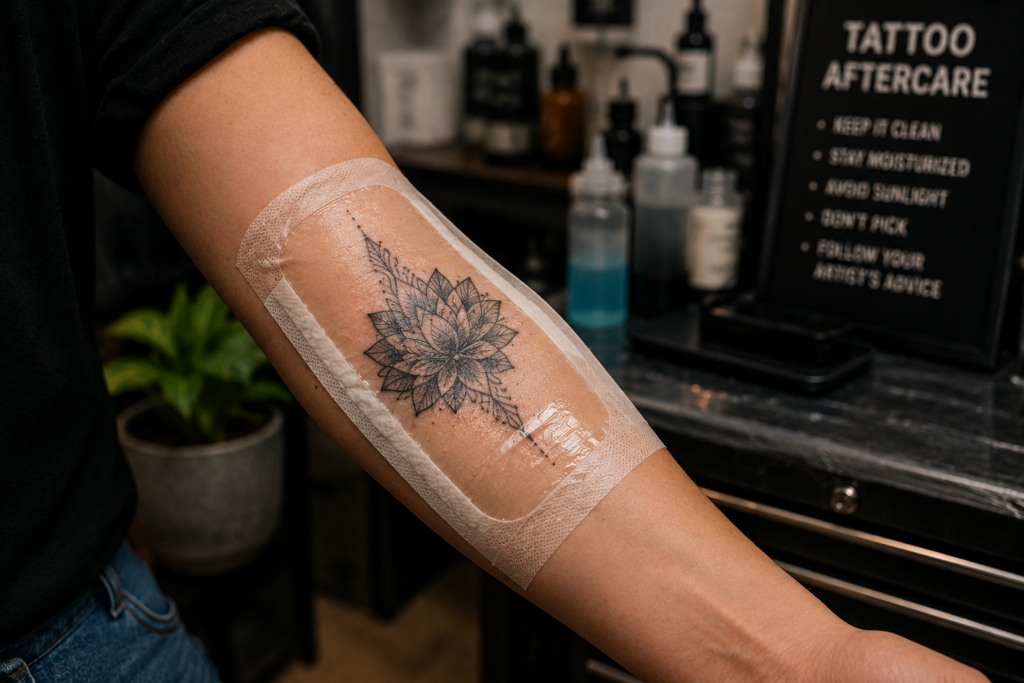
Immediately after your tattoo is completed, your artist will cover it with a protective bandage. Remove this after 2–4 hours or as instructed. Wash your hands thoroughly before touching your tattoo. Use lukewarm water and a gentle, fragrance-free soap to rinse off blood, plasma, and excess ink. Pat dry with a clean paper towel. Avoid rubbing, which can irritate the skin.
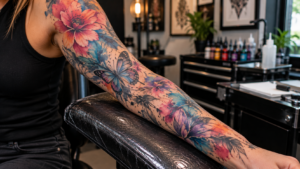
For small tattoos, you may use a gentle circular motion to clean the area. Larger tattoos, like bio-organic sleeves, may require careful cleaning in sections. This ensures that the entire tattoo heals evenly without scabs forming too quickly.
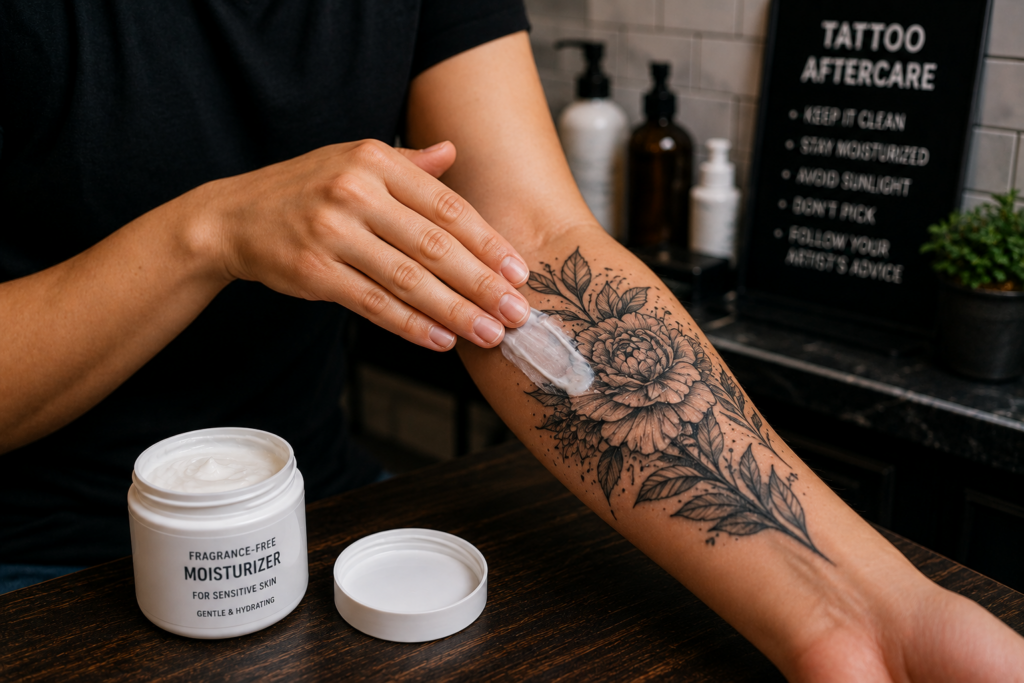
Step 2: Moisturizing Your Tattoo
After cleaning, apply a thin layer of a fragrance-free, gentle moisturizer or tattoo-specific ointment. This keeps the skin hydrated and prevents excessive scabbing or peeling. Avoid petroleum-based products unless recommended by your artist, as they can trap bacteria.
Moisturize 2–3 times daily or as needed. Even for intricate microrealism tattoos or AR tattoos, a light, even layer helps maintain skin elasticity and ink vibrancy.
Step 3: Avoid Sun Exposure
Sun exposure can fade tattoos and increase the risk of irritation. For the first 2–3 weeks, keep your tattoo covered with breathable clothing. After healing, always use high-SPF sunscreen on your tattoo to prevent UV fading. This is especially important for colorful designs like holographic tattoos or UV glow tattoos.
Step 4: Avoid Picking or Scratching
As your tattoo heals, it may itch or peel. This is normal. Do not scratch, pick, or peel the skin, as it can lead to ink loss or infection. Lightly tap or apply moisturizer to soothe the itching.
Step 5: Keep It Dry and Avoid Soaking
During the first two weeks, avoid soaking your tattoo in water. This includes swimming pools, hot tubs, and long baths. Quick showers are fine, but prolonged water exposure can weaken the ink and slow healing.
Step 6: Protective Measures
Fresh tattoos may need additional protection when wearing tight clothing or during physical activity. Use breathable bandages or clothing to reduce friction and irritation. This is critical for areas like shoulders, forearms, or legs, especially with bio-organic designs or full sleeves.
Step 7: Monitor for Infection
Redness, swelling, pus, or severe pain may indicate infection. If any of these occur, consult your tattoo artist and a medical professional immediately. Using clean tools and proper aftercare minimizes the risk of infection, especially for large tattoos or designs with dense shading.
Step 8: Long-Term Care
After the tattoo has healed, continue to moisturize your skin and protect it from UV exposure. Avoid harsh exfoliants on the tattooed area. Proper long-term care ensures your tattoo maintains its vibrancy and crispness.
External Resources
Helpful resources for tattoo aftercare and safety:
- WebMD – Tattoo Safety
- Healthline – Tattoo Healing Guide
- FDA – Tattoo Ink Safety
- Vegan Society – Safe Tattoo Inks
- Amazon – Tattoo Aftercare Supplies
Final Thoughts
Following a comprehensive tattoo aftercare routine ensures your new tattoo heals properly, retains its vibrancy, and avoids complications. Whether you have a small microrealism piece or a full sleeve, these guidelines from Painless Ric will help you enjoy beautiful, long-lasting body art for years to come.