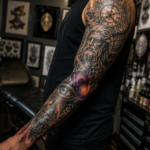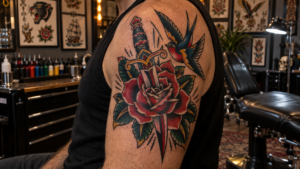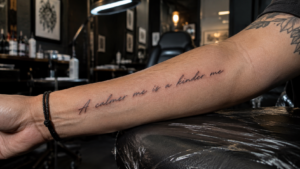
3D illusion tattoos are becoming one of the most visually impressive tattoo trends in 2026. These designs use advanced shading, perspective, and realistic details to create artwork that appears to rise above the skin or reveal hidden depth. Unlike traditional flat tattoo designs, 3D illusion tattoos create an optical experience. Artists carefully combine highlights, shadows, …
3D illusion tattoos are becoming one of the most visually impressive tattoo trends in 2026. These designs use advanced shading, perspective, and realistic details to create artwork that appears to rise above the skin or reveal hidden depth.
Unlike traditional flat tattoo designs, 3D illusion tattoos create an optical experience. Artists carefully combine highlights, shadows, textures, and placement to make tattoos appear dimensional and realistic.
At Painless Ric’s Tattoo Studio, artists continue exploring creative tattoo techniques that push the boundaries of realism. Similar to styles like microrealism tattoos and chrome tattoos, 3D illusion tattoos focus on detail, depth, and artistic precision.
What Are 3D Illusion Tattoos?
3D illusion tattoos are designs created to produce a three-dimensional appearance on the skin. Artists use realistic techniques to make objects, patterns, or textures look like they extend beyond the body.
Common 3D illusion effects include:
- Objects appearing to sit on top of the skin
- Designs appearing carved into the body
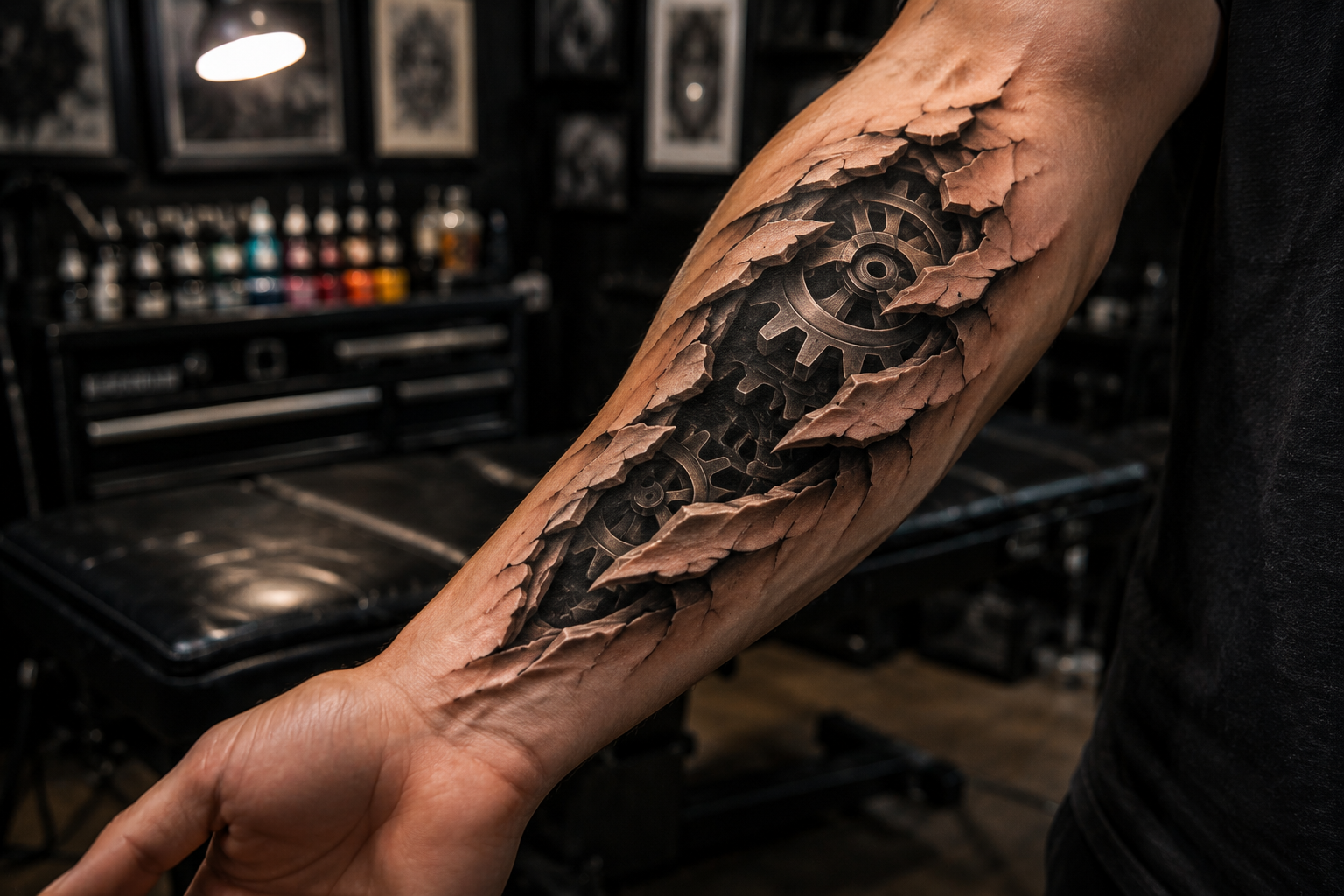
- Mechanical elements appearing underneath the skin
- Animals or objects creating realistic movement
- Shadows creating depth and dimension
The illusion depends on careful placement, realistic proportions, and detailed shading techniques.
Why 3D Illusion Tattoos Are Trending in 2026
The popularity of 3D tattoos comes from growing interest in realistic and interactive-looking artwork. Many tattoo enthusiasts want designs that immediately capture attention and create a unique visual experience.
Several trends are helping 3D illusion tattoos grow:
- Advanced Tattoo Techniques: Artists continue improving realism through detailed shading and texture work.
- Social Media Sharing: Optical illusion tattoos perform well in photos and videos because of their dramatic effects.
- Personalized Designs: Clients can transform personal ideas into realistic artwork.
- Technology Influence: Digital art and visual effects inspire new tattoo concepts.
Creative platforms such as Tattoodo and Inked Magazine continue showcasing innovative tattoo styles from artists worldwide.
Popular Types of 3D Illusion Tattoos
3D Mechanical Tattoos
Mechanical illusion tattoos remain one of the most recognizable 3D tattoo styles. These designs create the appearance of gears, metal structures, robotic components, or technology beneath the skin.
Mechanical designs often include:
- Metal textures
- Bolts and gears
- Circuit patterns
- Robotic details
This style connects with futuristic tattoo trends such as bio-organic tattoos, where technology and organic elements blend together.
3D Animal Tattoos
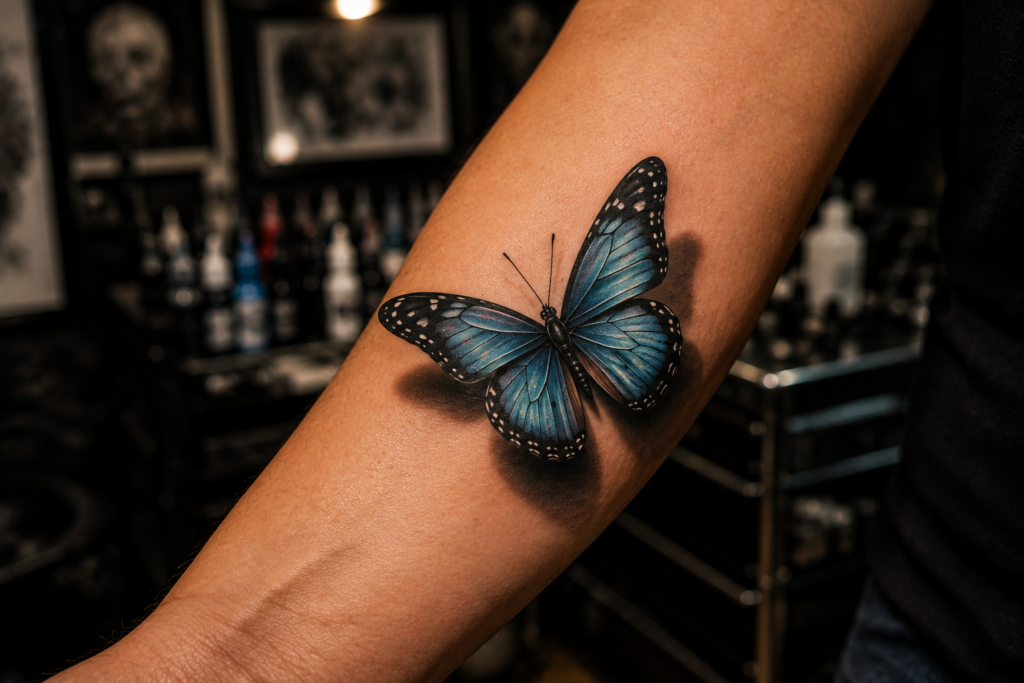
Animal designs become especially powerful when combined with realistic depth. Artists can create the illusion of animals emerging from the skin or interacting with the body.
Popular examples include:
- Butterflies
- Birds
- Wolves
- Lions
- Snakes
Realistic animal tattoos require detailed attention to fur, feathers, scales, and natural movement.
3D Nature Tattoos
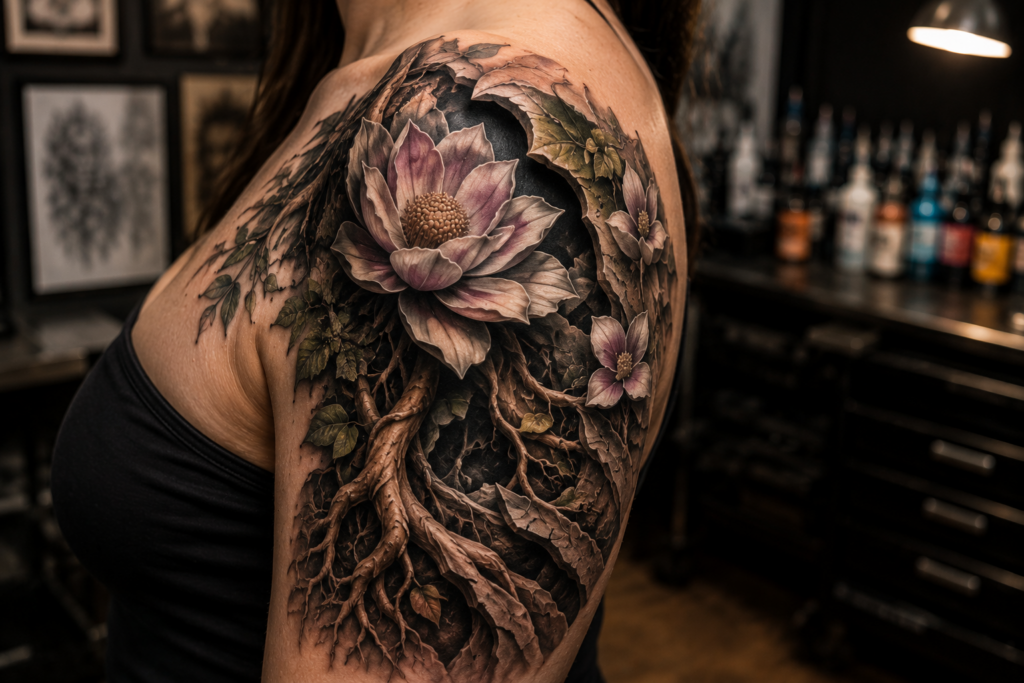
Nature-inspired 3D tattoos combine realism with organic elements. Flowers, roots, trees, and landscapes can appear layered or raised from the skin.
These designs work well with clients interested in nature-focused artwork and connect with trends like sustainable tattoos.
How Artists Create the 3D Effect
Creating a convincing 3D illusion requires careful planning. Tattoo artists use several techniques to create realistic depth.
Light and Shadow
Shadows are one of the most important elements in 3D tattooing. Darker areas create depth while highlights make certain parts appear closer.
Perspective
Artists use perspective techniques to make objects appear larger, smaller, closer, or farther away.
Texture Details
Textures help create realism. Examples include:
- Metal surfaces
- Animal fur
- Flower petals
- Wood grain
- Stone patterns
Body Placement
The shape of the body plays an important role. Artists consider muscles, curves, and movement when designing 3D tattoos.
Best Placement Ideas for 3D Illusion Tattoos
Some areas allow artists to create stronger optical effects because of their shape and size.
- Forearms: Great for mechanical and realistic designs.
- Shoulders: Ideal for designs that wrap around natural curves.
- Chest: Provides space for large realistic compositions.
- Back: Allows detailed scenes and larger illusions.
- Legs: Creates opportunities for vertical designs.
3D Tattoos Compared With Other Realistic Styles
3D illusion tattoos share similarities with other realism-based styles but focus specifically on optical effects.
Microrealism tattoos focus on extremely detailed small-scale artwork, while 3D illusion tattoos focus on creating depth and visual impact.
Holographic tattoos use reflective effects, while 3D tattoos rely mainly on shading, perspective, and realism.
How to Maintain a 3D Tattoo
Proper care helps preserve the details that create the illusion.
- Keep the tattoo moisturized after healing
- Protect it from excessive sunlight
- Follow professional aftercare instructions
- Avoid harsh skincare products
For more healing information, read our Tattoo Aftercare Guide.
External Resources for Tattoo Inspiration and Safety
Final Thoughts
3D illusion tattoos represent the next level of realistic tattoo artistry. By combining advanced shading, perspective, and creative design techniques, artists can create tattoos that appear to move, rise, or transform on the skin.
Whether you prefer mechanical designs, realistic animals, or nature-inspired artwork, 3D illusion tattoos offer endless possibilities for unique body art.
At Painless Ric’s Tattoo Studio, artists continue exploring innovative tattoo techniques to create custom designs that combine creativity, realism, and personal expression.