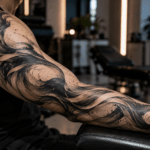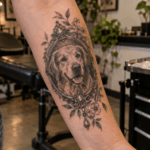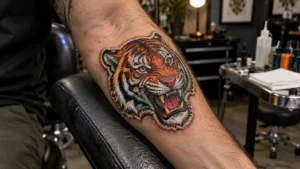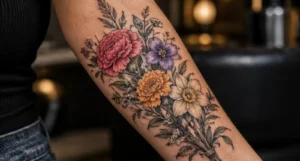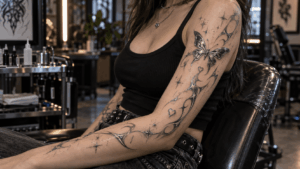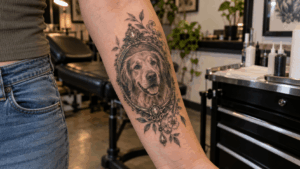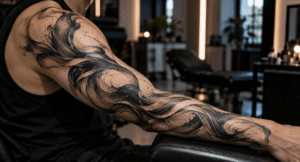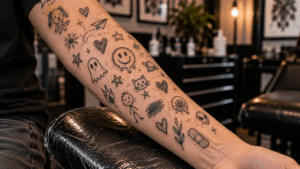
Engraving tattoos in 2026 are bringing the visual language of antique printmaking into modern tattoo studios. Built from hatching, cross-hatching, repeated black lines, stippling, and strong contrast, these tattoos can resemble illustrations pulled from an old scientific book, Renaissance print, medieval woodcut, or nineteenth-century encyclopedia. Unlike realism tattoos that often create smooth tonal transitions, engraving-style …
Engraving tattoos in 2026 are bringing the visual language of antique printmaking into modern tattoo studios. Built from hatching, cross-hatching, repeated black lines, stippling, and strong contrast, these tattoos can resemble illustrations pulled from an old scientific book, Renaissance print, medieval woodcut, or nineteenth-century encyclopedia.
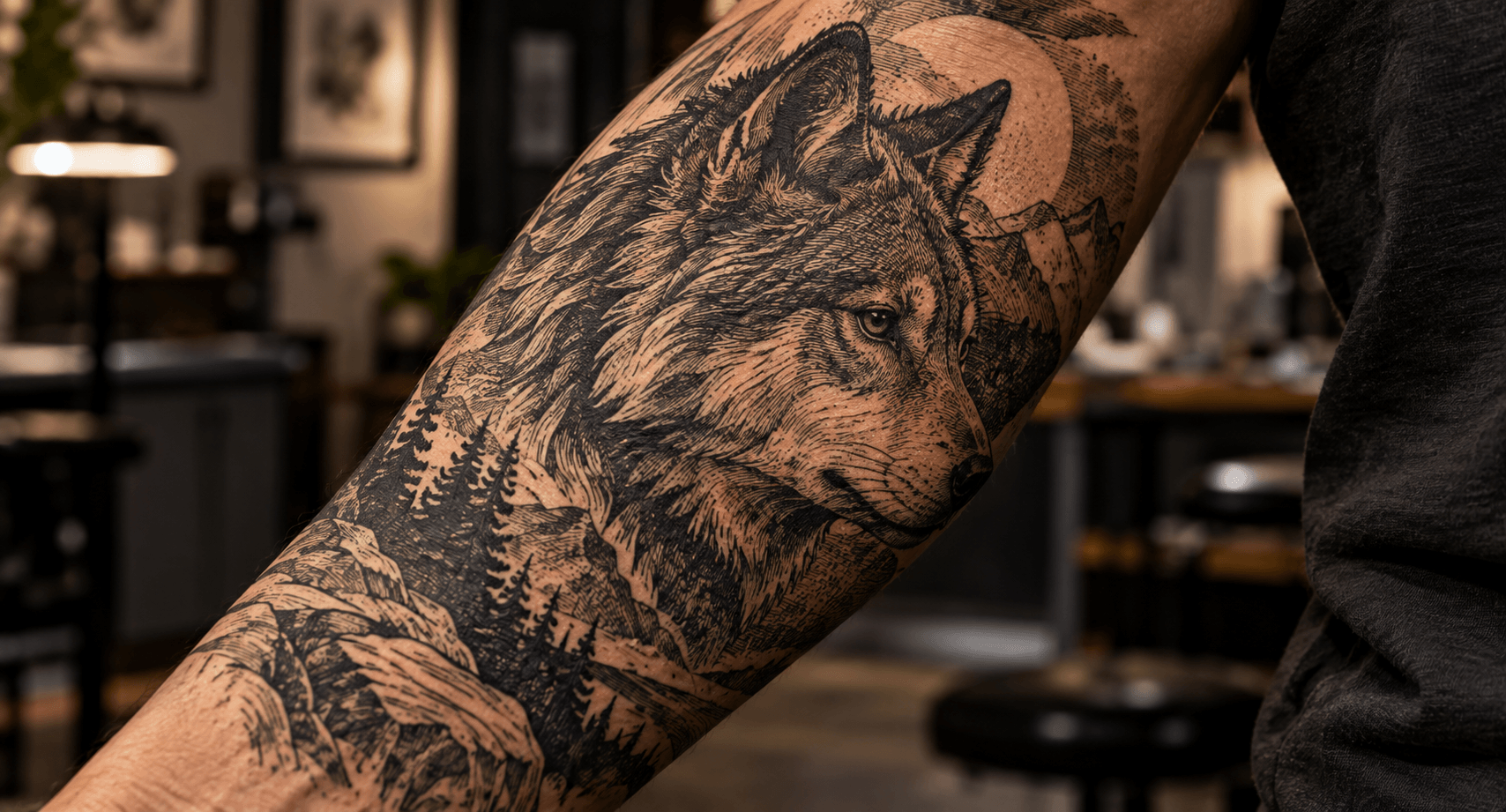
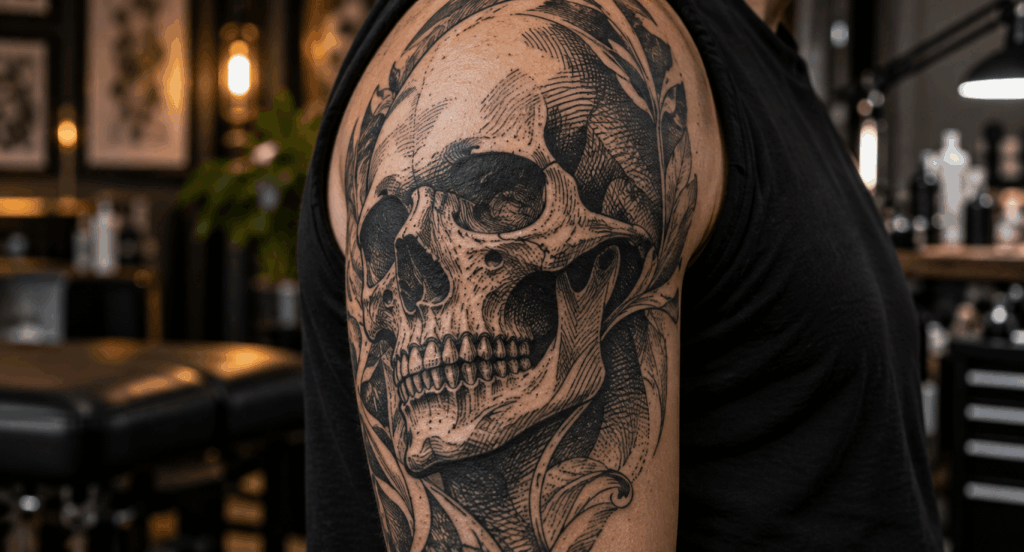
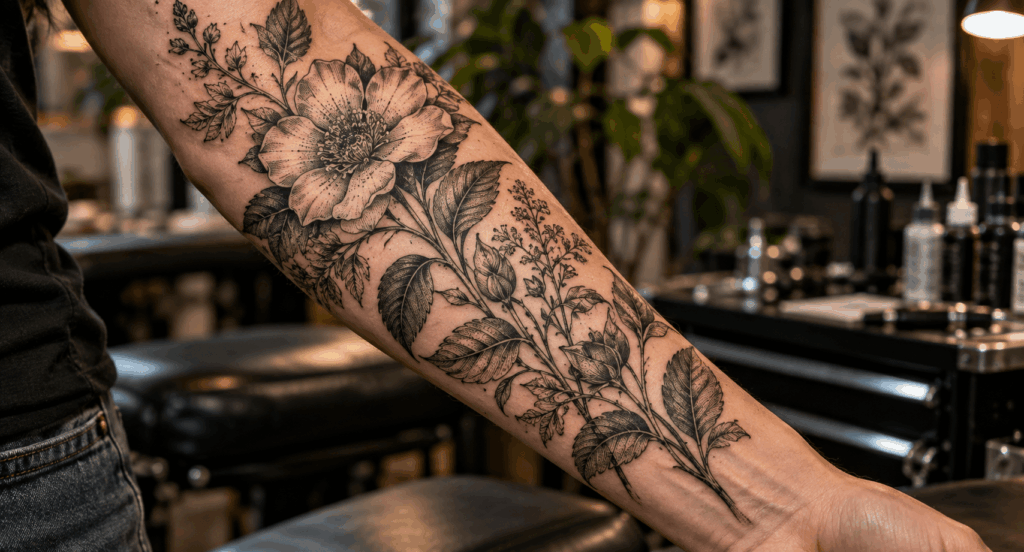
Unlike realism tattoos that often create smooth tonal transitions, engraving-style tattoos intentionally show the lines used to build shadow and form. Those visible marks are part of the aesthetic. A wolf may be shaded with dozens of parallel strokes, a botanical design may resemble an antique field guide, and a skull can look as though it was printed from a carved plate.
The style is receiving renewed attention in 2026. Recent guides from Tattoo Radar and Rebel Inks highlight engraving, etching, woodcut-inspired linework, and cross-hatching as distinctive directions for collectors who prefer detailed black ink with a historical feel.
What Is an Engraving Tattoo?
An engraving tattoo is designed to imitate traditional printmaking techniques. Instead of relying on soft airbrushed-looking shadows, the artist builds depth using visible lines and dots.
Common techniques include:
- Parallel hatching
- Cross-hatching
- Stippling
- Fine contour lines
- Dense black accents
- Decorative borders
- Woodcut-style texture
These techniques create a graphic look that can feel historical, academic, gothic, scientific, or storybook-like depending on the subject.
Why Engraving Tattoos Are Trending in 2026
Engraving tattoos fit the current interest in highly recognizable styles that do not depend on digital smoothness. The visible linework gives the tattoo a handmade appearance, even when the composition is extremely precise.
The trend also overlaps with renewed interest in vintage illustration, botanical references, medieval imagery, classical art, natural history, anatomy, and old printed books.
Because engraving work uses strong black lines rather than extremely soft gradients, it can create high visual contrast. The style can also be adapted to both small and large tattoos, although highly detailed compositions usually need enough space to keep the hatching readable.
Where the Engraving Look Comes From
Modern engraving tattoos borrow visual ideas from historical printmaking rather than reproducing one single technique exactly. Traditional engraving involves cutting lines into a plate, while etching uses a different process to create marks that are later printed onto paper.
Artists such as Albrecht Dürer helped make line-based printmaking famous for its ability to create extraordinary depth using black marks alone. The Metropolitan Museum of Art’s record for Dürer’s Saint Eustace describes the print as an example of his remarkable engraving virtuosity, while the museum’s Melencolia I is another well-known engraving from 1514.
Tattoo artists can study this type of line economy and translate it into original designs without copying historical prints directly.
Popular Engraving Tattoo Subjects
Animals and Wildlife
Wolves, ravens, deer, snakes, moths, birds, and other animals work especially well because fur, feathers, scales, and natural textures can be built through directional linework.
A traditional realistic wolf may use soft gray shading, while an engraving-style wolf can use visible hatching to show the direction of fur and create a printed-paper effect.
Botanical and Natural History Tattoos
Flowers, herbs, insects, mushrooms, leaves, and scientific specimens can resemble illustrations from vintage botanical or natural-history books.
The style works especially well when the goal is detail without a glossy photorealistic finish.
Skulls and Anatomical Subjects
Skulls, skeletons, anatomical hearts, hands, and classical anatomical studies naturally complement an engraving aesthetic because historical scientific illustrations often relied on line-based shading.
Architecture and Landscapes
Castles, ruins, churches, mountains, forests, and old city scenes can become highly detailed compositions when the artist uses repeated lines to separate foreground, middle ground, and background.
Mythology and Medieval Imagery
Knights, mythological creatures, angels, demons, heraldic animals, and medieval scenes can give engraving tattoos a dramatic narrative quality.
Hatching and Cross-Hatching Explained
Hatching uses parallel lines to create the impression of shadow. Lines placed closer together appear darker, while wider spacing looks lighter.
Cross-hatching adds another set of lines over the first layer, often at a different angle. This can create deeper shadow and more visual texture.
In tattooing, these marks must be planned carefully because skin is not paper. Lines that are too close together may lose separation as the tattoo settles over time.
That makes spacing especially important for engraving tattoos. An experienced artist may simplify a reference or enlarge the design so the finished tattoo has enough room to remain readable.
Best Placements for Engraving Tattoos
Forearm
The forearm provides a relatively flat, visible canvas for animals, botanical pieces, architecture, and vertical compositions.
Upper Arm
The upper arm allows larger designs with more cross-hatching and background detail. It can also connect into a sleeve later.
Thigh
The thigh provides substantial space for highly detailed scenes, large animals, mythology, or full-page illustration-inspired designs.
Calf
The calf works well for vertical engraving compositions such as towers, swords, botanical stems, or animals.
Back and Chest
Large body areas allow the artist to preserve more detail and create complex compositions inspired by historical prints.
Engraving Tattoos vs. Microrealism
Engraving tattoos and microrealism tattoos can both contain impressive detail, but they create that detail differently.
Microrealism usually aims to make a small image look lifelike through smooth shading, contrast, and precise rendering. Engraving tattooing deliberately exposes the individual lines used to create form.
In other words, microrealism may try to hide the drawing technique so the image looks photographic, while engraving style often celebrates the technique itself.
Engraving Tattoos and American Traditional Work
Engraving tattoos also differ from American Traditional tattoos. Traditional work typically uses bold outlines, simplified shapes, strong color or black shading, and easily recognizable flash imagery.
Engraving work can be more line-dense and textural. It often emphasizes cross-hatching, historical illustration, and complex interior detail rather than simple color blocking.
Collectors who appreciate bold readability may prefer traditional tattooing, while those drawn to antique books, natural history, old maps, and line-based illustration may prefer engraving work.
How Engraving Tattoos Age
The biggest long-term consideration is spacing. A design with hundreds of lines needs enough open skin between those marks so individual details do not visually merge as the tattoo ages.
Larger engraving designs can often accommodate more cross-hatching than extremely small pieces. This is why an artist may recommend increasing the size of a design even when the original reference looks compact on a phone screen.
Painless Ric’s Tattoo Aging Guide explains how line density, placement, sun exposure, and natural skin changes can affect long-term appearance.
The American Academy of Dermatology also recommends protecting healed tattoos from excessive ultraviolet exposure.
Aftercare for Detailed Linework
Fresh engraving tattoos require the same professional aftercare principles as other tattoos. Follow the artist’s instructions, keep the area appropriately clean, and avoid picking at flaking skin.
The Cleveland Clinic provides general tattoo-healing information. The FDA provides additional information about tattoo pigments, contamination concerns, and possible reactions.
Mayo Clinic recommends choosing a reputable professional and confirming that safe hygiene practices are followed.
For a practical overview of cleaning and long-term maintenance, see Painless Ric’s Tattoo Aftercare Guide.
Choosing an Engraving Tattoo Artist
Review portfolios closely. Look for consistent line spacing, confident curves, clean cross-hatching, readable shadows, and healed examples whenever possible.
A strong engraving tattoo should not simply look like random scratches placed close together. The lines should describe form, texture, direction, and light.
Bring references from historical printmaking, natural-history books, architecture, or illustration, but allow your artist to create an original composition rather than directly copying another tattoo or copyrighted contemporary artwork.
Final Thoughts
Engraving tattoos in 2026 offer a distinctive bridge between historical printmaking and contemporary body art. Cross-hatching, stippling, bold contour lines, and carefully controlled texture can turn animals, plants, skulls, architecture, mythology, and landscapes into tattoos that feel like vintage illustrations transferred to skin.
The style rewards thoughtful sizing and careful craftsmanship. Enough spacing is necessary to preserve the linework, and the artist needs a strong understanding of how hatching creates depth.
For collectors who want detailed black-ink tattoos with an antique, academic, or storybook character, engraving tattooing is one of the most visually distinctive styles to explore in 2026.