Dark academia tattoos in 2026 bring the atmosphere of old libraries, Gothic architecture, literature, and thoughtful symbolism into modern body art. Ravens, candle flames, antique keys, open books, botanical drawings, and stone archways are being turned into original compositions that feel mysterious without needing to be oversized or intimidating. Unlike a single established tattoo technique, …
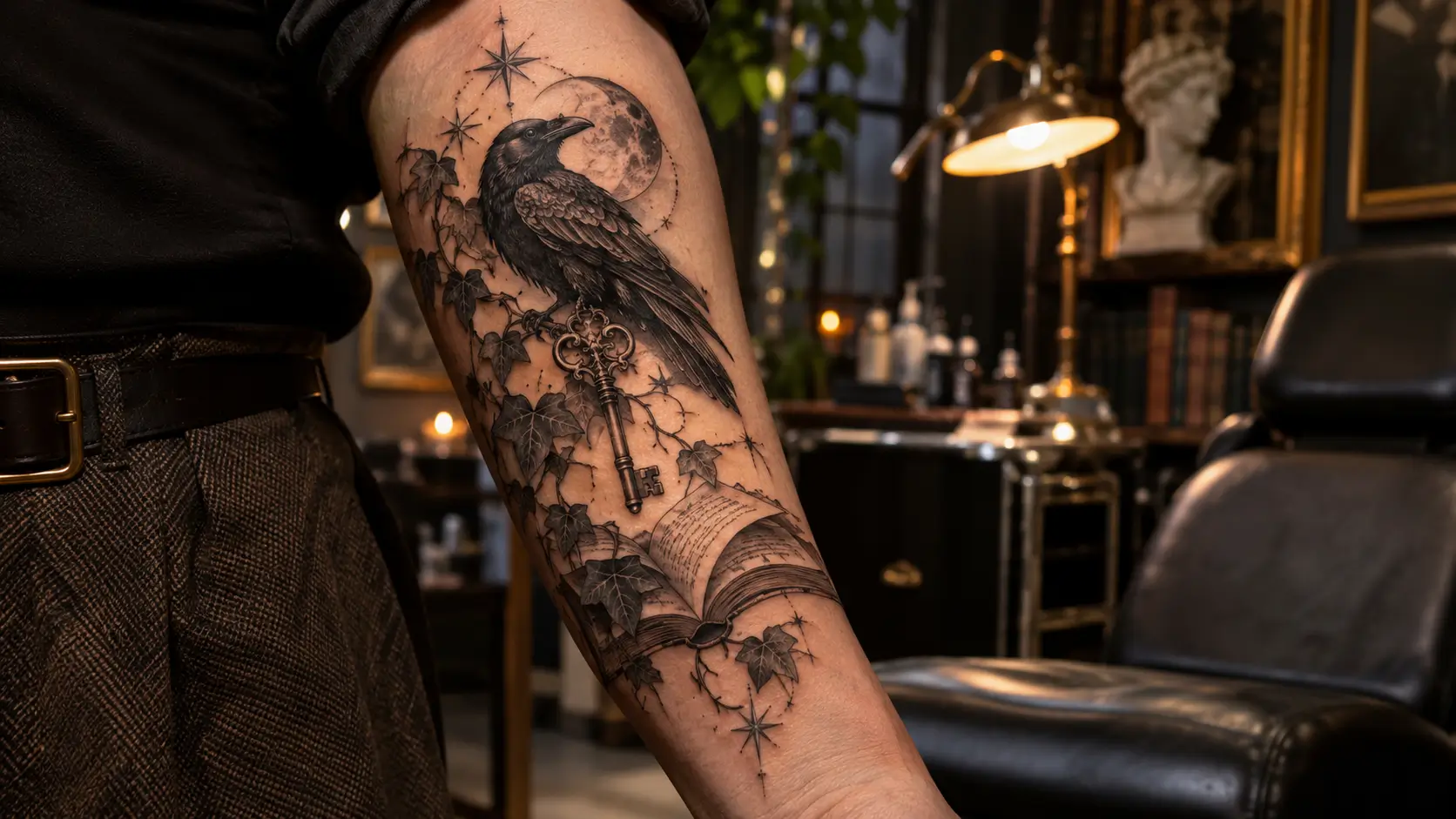
Dark academia tattoos in 2026 bring the atmosphere of old libraries, Gothic architecture, literature, and thoughtful symbolism into modern body art. Ravens, candle flames, antique keys, open books, botanical drawings, and stone archways are being turned into original compositions that feel mysterious without needing to be oversized or intimidating.
Unlike a single established tattoo technique, dark academia is an aesthetic. Its imagery can be interpreted through fine linework, black-and-gray realism, engraving-inspired texture, or bold illustrative tattoos. The appeal is not simply making everything dark: it is combining recognizable objects into a personal visual story about learning, memory, imagination, or a favorite place.
A 2026 overview of dark aesthetic tattoos identifies books, ravens, candles, and keys as recurring dark-academia motifs. The broader move toward original, personally meaningful designs is also discussed in Afterlife’s 2026 tattoo trend guide. Those ideas make this a timely subject for readers interested in art and literature rather than another generic micro-tattoo roundup.
What Makes a Tattoo Dark Academia?
Dark academia draws from the visual mood of historic universities, archival collections, classical sculpture, dramatic interiors, and Gothic or literary themes. Its colors often lean toward black, charcoal, sepia, deep green, and muted burgundy, although a tattoo can express the look entirely in black ink.
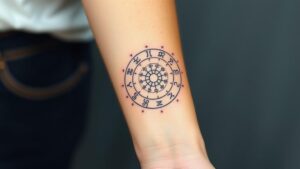
Typical subjects include ravens perched on antique books, candlelight beside a manuscript, arched windows, dried flowers, celestial diagrams, quills, old keys, and marble-style faces. A tattoo does not need all of them. One well-drawn object with the right shading and framing may communicate the aesthetic better than a crowded collection of symbols.
Why the Aesthetic Feels Relevant in 2026
Tattoo trends this year are not moving in only one direction. Minimal work remains popular, but detailed blackwork, personal symbolism, and illustrative compositions are also attracting interest. Dark academia fits that mix: it offers specific visual themes while leaving enormous room for individual interpretation.
The inspiration can come from a favorite public-domain poem, a meaningful period of study, a museum visit, or a personal interest in history. The strongest tattoo does not just copy a mood board. It explains something about the wearer, even if that meaning remains private.
Research from the Pew Research Center found that remembering or honoring someone or something is a common reason Americans get tattoos. That supports designing around a real connection rather than selecting an image only because it is popular online.

Popular Dark Academia Tattoo Ideas
Ravens and Antique Keys
A raven creates a powerful focal point with its feathers, curved beak, and dark silhouette. An ornate key can introduce the idea of discovery or a private story. Ivy or small stars can join the two without overwhelming the composition.
For historic visual reference, explore the Metropolitan Museum of Art’s nineteenth-century raven print. It illustrates how strong dark-and-light contrast can make bird imagery feel dramatic. Use such works for artistic study, not as an excuse to copy a living tattoo artist’s design.
Candles, Books, and Botanical Details
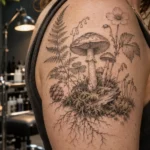
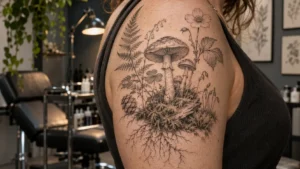
Stacked books beside a burning candle create a recognizable literary arrangement. A small sprig of ivy, fern, or dried rose can soften the geometry of the books, while realistic candlelight provides contrast between warm highlights and deep shadows. On skin, the artist may represent the glow with untouched areas rather than actual bright pigment.
Gothic Windows and Architectural Frames
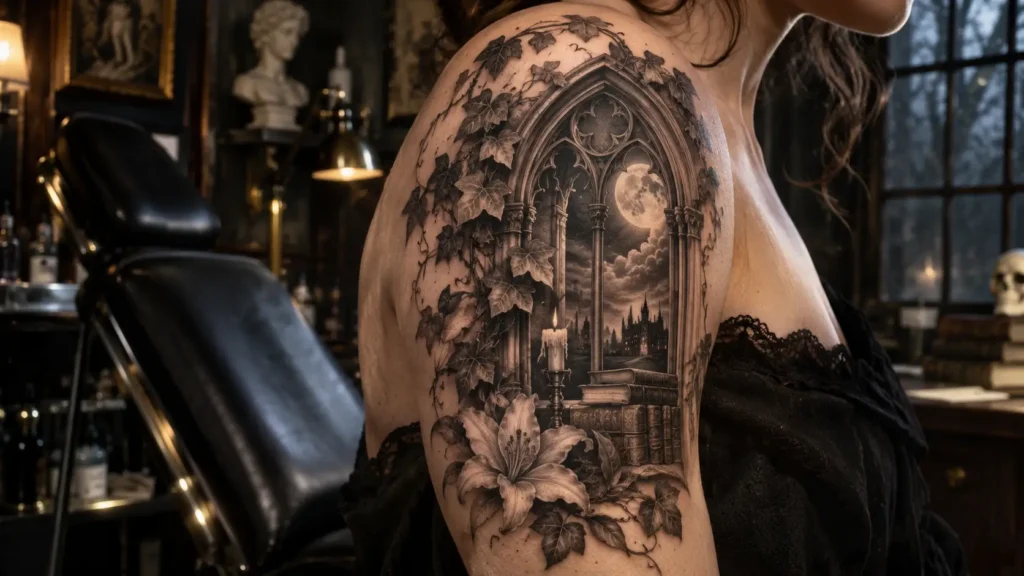
Pointed arches, tracery, and stained-glass window silhouettes can turn an arm or calf into a narrow architectural composition. The Met’s Gothic design exhibition offers examples of how historic builders and printmakers arranged repeating forms. A tattoo artist can reinterpret those structural rhythms with a modern, original layout.
Classical Portraits and Sculptural Motifs
A marble-inspired face, laurel branches, or a broken classical column creates a different mood from a raven illustration. These subjects are better suited to medium or large tattoos, where soft stone shading and crisp facial details have enough room. Review healed portraits before choosing an artist for a composition that relies on a face.
Dark Academia vs. Gothic and Engraving Tattoos
These labels overlap, but they describe different things. Gothic imagery usually points to specific architectural or darker cultural motifs. Engraving describes a line-based visual treatment using hatching and cross-hatching. Dark academia describes the overall atmosphere that may incorporate either approach.
If you love the antique-print texture, see Painless Ric’s engraving tattoo guide. If your concept is a dreamlike scene with impossible architecture, compare it with the site’s surreal black-and-gray tattoos article. Choosing the right visual language makes it easier for an artist to interpret the mood accurately.
Best Placements for Literary and Gothic Designs
Forearm: A vertical raven, key, or candle design can follow the arm without sacrificing too much detail. The outer forearm is visible, while the inner forearm offers a more personal view.
Upper arm: More room allows a raven framed by leaves, books, or arched stonework. The rounded shoulder can also support a circular moon or decorative border.
Calf: A Gothic window, tower, or stacked-book arrangement works naturally in a tall silhouette. This is useful for clients who prefer the tattoo to remain covered at times.
Thigh or back: Larger surfaces suit elaborate narrative scenes, including architecture, portraits, and landscapes. The extra space helps maintain readable shadows and enough negative space between objects.
Planning a Custom Composition
Begin with one meaningful subject, then choose at most two or three supporting elements. Ask what viewers should notice first. A detailed raven can sit above an antique key; a candle may light an open page; a small window can frame a botanical drawing. Each additional object should reinforce the story rather than compete for attention.
Bring reference images for atmosphere, not a demand to copy the exact tattoo on someone else. Discuss how the design looks when the body turns and where open skin is needed to separate dark areas. Ask your artist to check the composition at actual tattoo size rather than judging it only on a bright tablet screen.
Should a Dark Academia Tattoo Include a Quote?
A short word or phrase can work, but writing adds another technical challenge. Tiny lettering may become difficult to read, and long quotations can force the design into an awkward shape. Consider a single initial, a date, or a short original phrase that you have checked carefully.
For font sizing and handwriting ideas, read Painless Ric’s custom script tattoo guide. If a quotation comes from a published contemporary work, confirm that it is used appropriately and avoid relying on incorrectly attributed phrases circulating online.
How Will the Tattoo Age?
Dense Gothic textures need balanced contrast. If books, feathers, and stone details are all equally dark, the design may lose separation as it settles. Giving the main subject a clear silhouette and spacing the interior lines can preserve readability. No tattoo is guaranteed to remain as crisp as its fresh photograph.
Sun exposure, individual skin changes, friction, and healing can all affect appearance. Painless Ric’s tattoo aging guide explains these factors in more detail. The American Academy of Dermatology recommends sunscreen on healed tattooed skin and appropriate care when skin feels dry.
Studio Safety and Aftercare
Even a small literary symbol is a permanent tattoo that breaks the skin. Choose a professional who uses single-use needles, appropriate barriers, fresh gloves, and safe ink-handling practices. The FDA’s tattoo fact sheet discusses infections, contamination, and adverse reactions associated with tattoos.
After the appointment, follow the artist’s bandage and cleaning instructions. Do not scratch or pick at healing skin, and avoid soaking a new tattoo. Once healed, consider regular sun protection. Painless Ric’s tattoo aftercare guide provides a practical starting point for everyday care.
Choosing the Right Artist
Look beyond the artist’s most dramatic fresh images. Ask to see healed examples of black-and-gray shading, fine details, lettering if needed, and any Gothic or illustrative work. A skilled artist should be able to explain why a proposed size, line weight, or placement will serve the design over time.
You can also ask for a simplified version of an intricate reference. Removing one crowded border or giving a candle more breathing room may improve the result without losing its atmosphere. The goal is not to recreate an entire library on a wrist; it is to translate a personal idea into artwork that works on skin.
Final Thoughts
Dark academia tattoos in 2026 give readers a way to combine books, old-world architecture, botanical motifs, and moody illustration with meaningful personal stories. Whether the result is a small antique key or a full raven-and-window composition, success depends on thoughtful choices about scale, contrast, and placement.
Start with imagery that matters to you, research any historical references, and collaborate with an artist who knows how to make complex black-and-gray work readable. A well-planned literary tattoo can feel individual long after a particular online aesthetic changes.