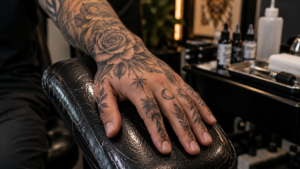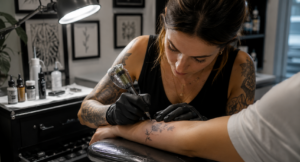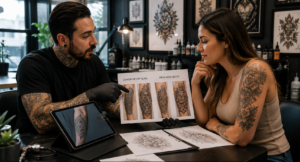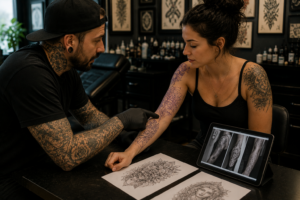
Custom script tattoos in 2026 are becoming increasingly personal. Instead of choosing a generic quote in a standard font, tattoo collectors are turning handwritten notes, signatures, journal entries, meaningful dates, short phrases, and personally designed lettering into permanent artwork. The appeal is simple: words can communicate meaning immediately. A handwritten message from a family member, …
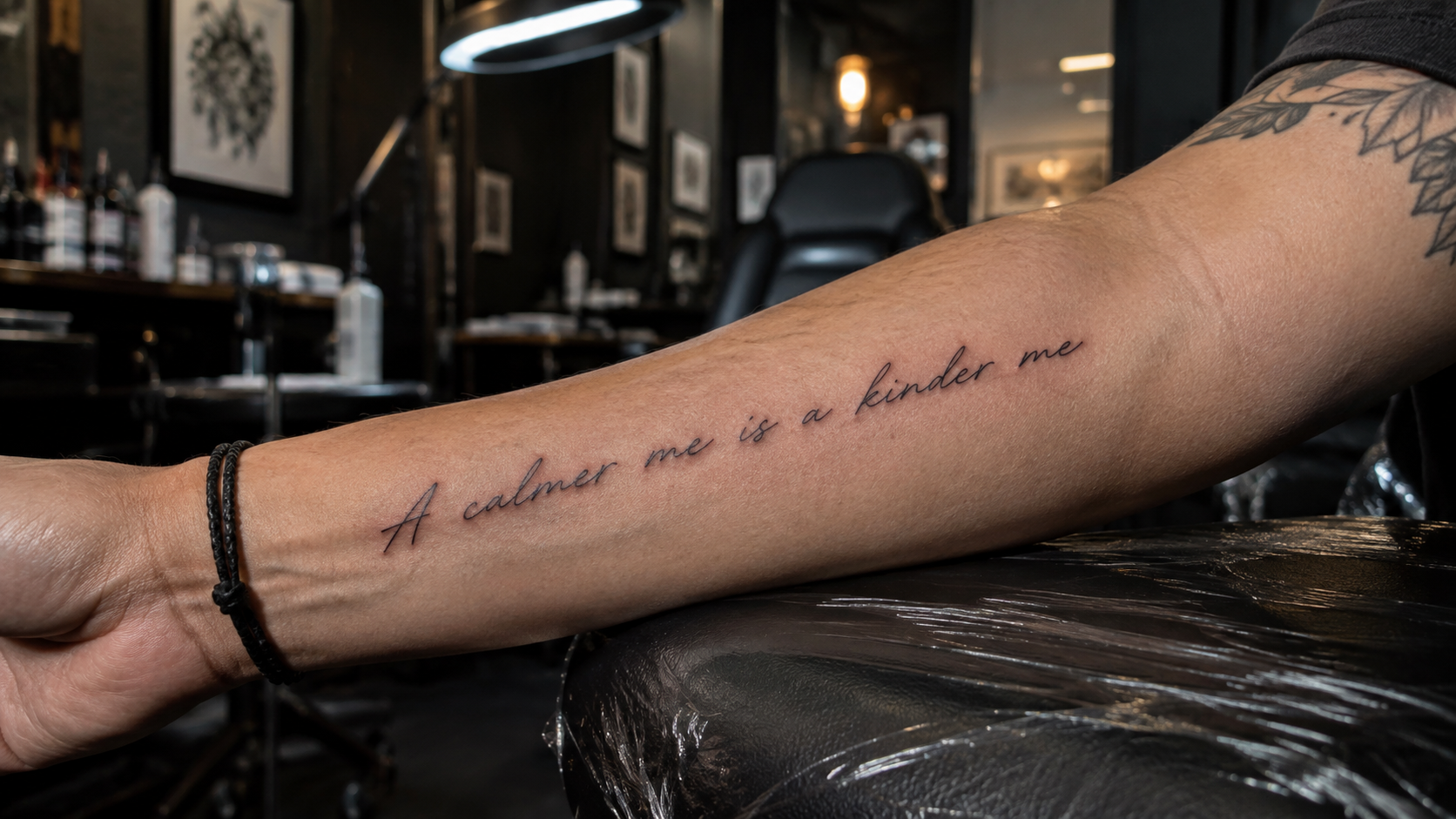
Custom script tattoos in 2026 are becoming increasingly personal. Instead of choosing a generic quote in a standard font, tattoo collectors are turning handwritten notes, signatures, journal entries, meaningful dates, short phrases, and personally designed lettering into permanent artwork.
The appeal is simple: words can communicate meaning immediately. A handwritten message from a family member, one line from a personal journal, or a phrase connected to an important experience can become a tattoo that feels completely individual.
At Painless Ric’s Tattoo Studio, good lettering is about more than selecting an attractive font. Size, spacing, placement, line weight, readability, and long-term aging all influence whether a script tattoo will continue looking clear years after it heals.
Why Script Tattoos Are Trending in 2026
Personalization has become one of the strongest themes in contemporary tattooing. Rather than choosing artwork simply because it is popular, more clients are looking for designs connected to their own memories, relationships, experiences, and identity.
A current 2026 trend guide from United Tattoo highlights increasingly personalized script and lettering, including names, dates, prayers, phrases, and handwriting samples. Tattoo galleries such as TattooNOW’s script and text collection also show how broad modern lettering styles have become.
Script tattoos can be subtle enough for a small wrist placement or large enough to become the central element of a forearm, rib, spine, chest, or thigh composition.
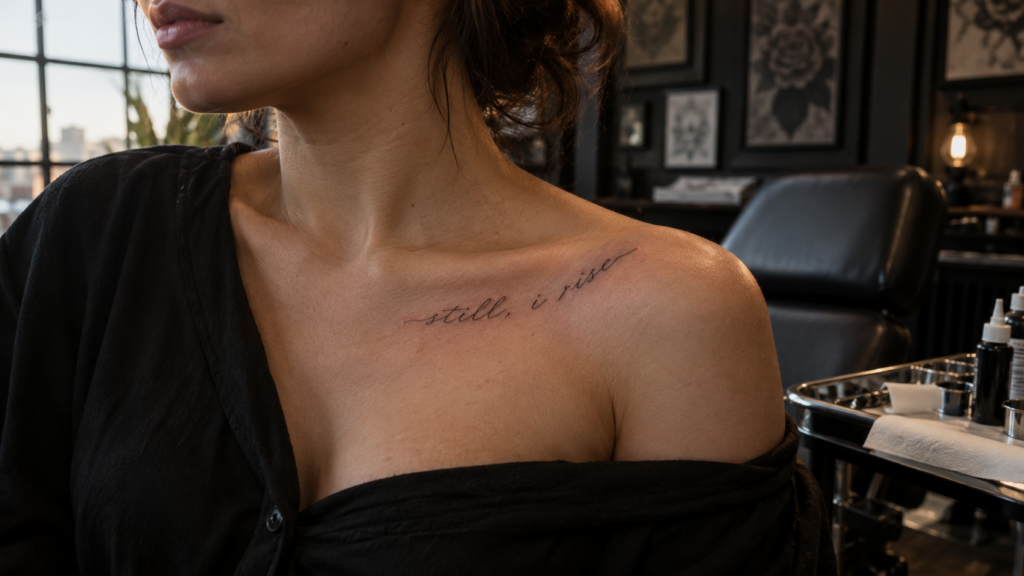
Handwriting Tattoos Add a Personal Connection
One of the most meaningful approaches involves reproducing actual handwriting. Clients may bring a handwritten note, birthday card, signature, recipe, letter, or other personal document and ask an artist to adapt part of it for tattooing.
The goal is usually to preserve the character of the original handwriting while making adjustments that help the tattoo remain readable.
An artist may need to slightly increase spacing, simplify crowded letters, strengthen extremely light strokes, or enlarge the design. These adjustments can preserve the spirit of the handwriting without reproducing flaws that may cause the tattoo to blur together as it ages.
Signatures and Short Notes
Signatures work well because they are naturally compact and personal. A loved one’s name or short handwritten phrase can often be adapted to the wrist, forearm, shoulder, chest, or rib area.
Journal Entries and Personal Phrases
Longer handwriting samples can become statement pieces. Short excerpts usually work better than attempting to reproduce an entire page because larger letters and adequate spacing improve readability.
Popular Script Tattoo Styles
Fine Line Script
Fine line script has a clean and understated appearance. Thin cursive lettering can work especially well for names, dates, short phrases, and small personal reminders.
However, extremely tiny text can become difficult to read over time. The same long-term considerations that apply to microrealism tattoos apply to small lettering: the design needs enough room for individual details to remain distinct.
Classic Cursive Lettering
Cursive lettering uses connected strokes and flowing movement. It can create a romantic, elegant, or traditional appearance depending on the letterforms.
Spacing is particularly important with cursive because loops and neighboring letters can visually merge if the design is too small.
Typewriter and Serif Tattoos
Typewriter-inspired lettering creates a more structured appearance. It works well for short sentences, quotations, dates, coordinates, or writing intended to resemble a printed page.
Blackletter and Bold Typography
Bold lettering makes a stronger visual statement. Blackletter, Gothic-inspired lettering, and custom block typography can work across larger areas such as the forearm, chest, stomach, thigh, and upper back.
Choosing the Right Placement
Placement should reflect both the length of the text and how visible you want it to be.
The inner forearm provides a relatively flat surface and is popular for handwriting because text can follow the length of the arm. Ribs provide room for longer phrases, while the collarbone can complement short horizontal lettering. The upper arm, chest, and thigh provide additional space for larger typography.
Placement also affects aging. Hands, fingers, and other high-friction areas may require different expectations than protected areas of the body.
For a broader look at long-term tattoo changes, see Painless Ric’s Tattoo Aging Guide.
Why Letter Size and Spacing Matter
A script tattoo should not be designed only for the day it is completed. Tattoo ink settles within living skin, and extremely tight lettering may become harder to distinguish as years pass.
Making the tattoo slightly larger can provide additional breathing room between letters. Open counters inside letters such as “a,” “e,” and “o” also need enough space to remain recognizable.
An experienced lettering artist understands when a handwritten reference needs modification. Preserving every tiny irregularity may sound authentic, but some details simply do not translate well to skin at a miniature scale.
Proofread Before the Tattoo Begins
Words require an extra level of preparation because spelling mistakes cannot simply be erased after tattooing.
Check names, dates, capitalization, punctuation, and spelling several times. For tattoos in a language you do not speak fluently, verify the wording with a qualified speaker rather than relying only on automatic translation.
Ask to review the final stencil before placement. Look at it standing normally as well as close up to make sure the text sits correctly on the body.
Combining Script With Other Tattoo Styles
Lettering does not need to stand alone. Script can be combined with flowers, ornamental frames, portraits, geometric details, animals, and other artwork.
For example, a handwritten phrase can sit beside a small realistic portrait, while a date may become a supporting element within a larger sleeve. Script can also complement bio-organic artwork when lettering is integrated carefully rather than placed randomly over a busy composition.
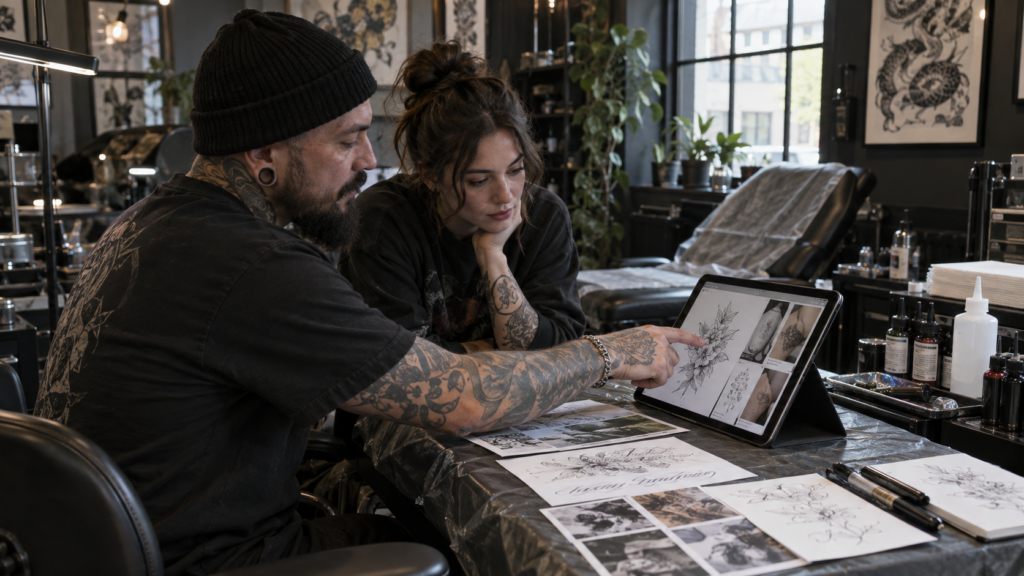
Script Tattoo Aftercare
Fresh lettering tattoos need the same careful healing process as other tattoo styles. Follow the artist’s instructions, keep the tattoo clean, avoid picking or scratching, and protect the area while it heals.
The American Academy of Dermatology provides guidance on caring for tattooed skin, including sun protection after healing. Mayo Clinic also explains general tattoo safety and healing considerations.
You can review Painless Ric’s Tattoo Aftercare Guide for additional general care information.
Choose a Professional Studio
A lettering tattoo may look simple, but clean script requires precise needle control. Small inconsistencies become highly visible when the design contains only a few letters.
Review an artist’s healed lettering work, not only fresh photographs. Look for consistent line weight, smooth curves, clean spacing, and readable healed results.
The U.S. Food and Drug Administration provides information about tattoo inks and possible complications. Professional studios should also follow appropriate sanitation procedures and safe handling practices.
Final Thoughts
Custom script tattoos in 2026 reflect a shift toward tattoos that communicate personal stories directly. Handwritten messages, signatures, personal phrases, dates, and carefully designed typography can turn a few words into deeply meaningful body art.
The strongest script tattoos balance emotion with practical design. Good spacing, appropriate size, thoughtful placement, accurate spelling, and professional execution help lettering remain readable and visually appealing.
Instead of choosing the smallest possible design, work with an artist who understands how typography behaves on skin. A meaningful message deserves enough space to remain meaningful years from now.